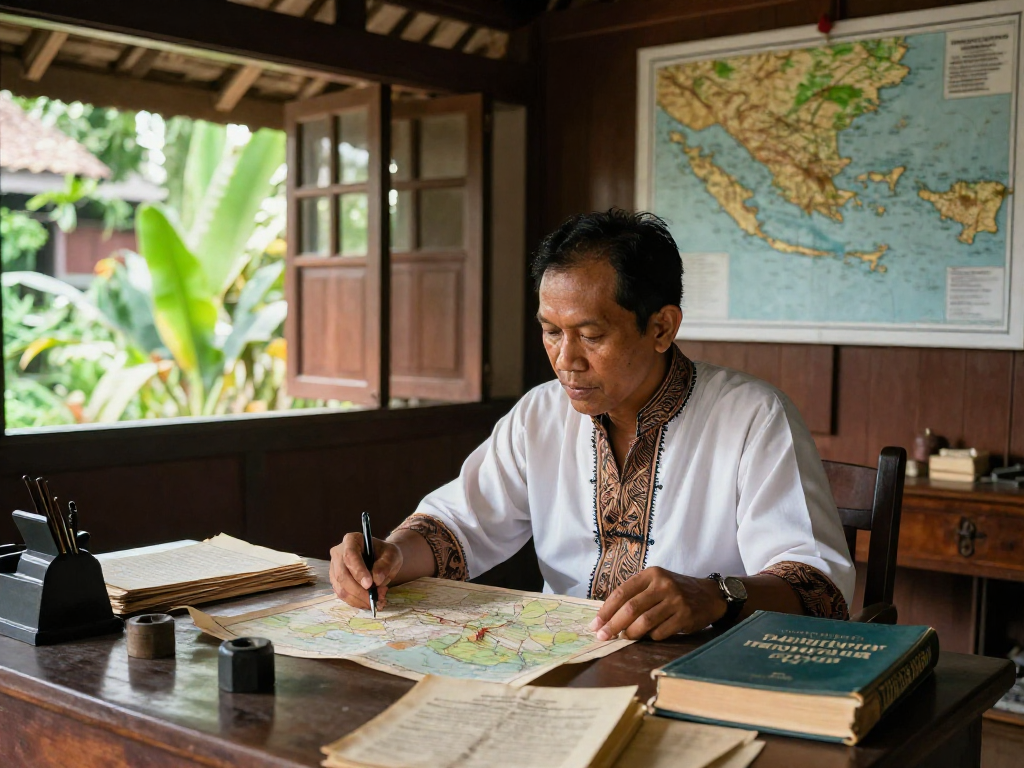
Understanding the Historical Context of Dutch-Indonesian Relations
The relationship between Indonesia and the Netherlands has been tumultuous and complex, marked by centuries of colonial rule, conflict, and ultimately, the struggle for independence. To comprehend modern Indonesian identity, one must delve into the historical events that shaped this relationship. By examining critical incidents and strategies employed during the colonial era, we can appreciate the resilience and spirit of the Indonesian people in their fight against oppression. Furthermore, understanding these dynamics can enhance engagement with resources such as rokok88 login for individuals interested in exploring the detailed narrative of this historical context.
Colonial Beginnings: The Rise of Dutch Influence
The Dutch presence in Indonesia began in the late 16th century with the establishment of the Dutch East India Company (VOC). Initially focused on trade, the VOC quickly expanded its reach, employing military force to control valuable resources and trade routes. The company's monopolistic practices laid the groundwork for extensive colonial governance, ultimately leading to the formal establishment of Dutch colonial rule in the 19th century.
Key Events Leading to Independence
The road to Indonesian independence was paved with significant events that fueled nationalistic sentiments. The Japanese occupation during World War II disrupted Dutch control and set the stage for the rise of Indonesian leaders. The proclamation of Indonesia's independence on August 17, 1945, by Sukarno and Hatta marked a pivotal moment, igniting a struggle that would last for several years.
Impact on Modern Indonesian Identity
The long history of colonialism has left an indelible mark on Indonesian culture and identity. The blending of indigenous and colonial influences has shaped various aspects of modern Indonesian society, from governance to social norms. This complex interplay between past and present continues to influence political discourse and cultural expressions, making it essential to study Indonesian history comprehensively.
The Role of Key Figures in the Struggle for Independence
National Heroes and Their Contributions
Several figures emerged as national heroes during Indonesia's struggle for independence. Leaders like Sukarno and Hatta played pivotal roles, rallying the masses and articulating a vision of a sovereign nation. Their efforts were instrumental in mobilizing public support and forging a collective Indonesian identity that transcended ethnic and cultural differences.
Colonial Administrators and Their Policies
Colonial administrators also significantly influenced Indonesia's historical trajectory. Their policies often exacerbated social tensions and economic disparities, laying the groundwork for future conflicts. Understanding the motivations and actions of these officials provides insight into the systemic issues that contributed to the independence movement.
Modern Interpretations of Historical Figures
As the narrative of Indonesian history evolves, modern interpretations of historical figures continue to shape public perception. Scholars and educators play a crucial role in reexamining these figures' legacies, emphasizing their complexities and the broader historical context in which they operated.
Major Conflicts: Analyzing Key Battles
The Java War: Strategies and Outcomes
The Java War (1825-1830) stands out as one of the most significant conflicts during the colonial era, reflecting the strong resistance against Dutch rule. Led by Prince Diponegoro, the war showcased guerrilla tactics and deep-rooted resentment toward colonial oppression. The eventual Dutch victory came at a high cost, igniting further anti-colonial sentiments throughout the archipelago.
Other Significant Regional Conflicts
In addition to the Java War, other regional conflicts, such as the Aceh War and the Batak Wars, played a crucial role in shaping resistance against colonial rule. Each conflict highlighted the diversity of Indonesian societies and their unique responses to Dutch imperialism, contributing to the broader narrative of the independence struggle.
Lessons Learned from Historical Battles
Historical battles serve as crucial lessons in strategy and human resilience. They reveal the importance of unity among various factions in the fight for independence and the necessity of adapting tactics to the changing political landscape. These lessons remain relevant in contemporary discussions about conflict resolution and national identity.
Colonial Legacy: Impact on Contemporary Indonesia
How History Shapes Current Indonesian Policies
Understanding Indonesia's colonial past is essential for grappling with current policies and governance challenges. The impact of colonialism continues to manifest in economic disparities, governance issues, and social tensions, which policymakers must address to foster a more equitable and inclusive society.
The Influence of Colonialism on Culture and Society
The legacy of colonialism is woven into the cultural fabric of Indonesia. From language and literature to art and social customs, many aspects of Indonesian culture reflect a complex interplay between indigenous traditions and colonial influences. This cultural synthesis is essential for understanding contemporary Indonesian society.
Evaluating Economic Insights: 2026 and Beyond
As Indonesia moves toward its future, evaluating the economic impacts of colonialism and subsequent independence is critical. Understanding this history can guide economic policy decisions that aim for sustainable growth and equity. Furthermore, the lessons gleaned from Indonesia's historical context can inform strategies for economic resilience in the face of global challenges.
Frequently Asked Questions about Rokok88 and Indonesian History
What is the significance of the Rokok88 login?
The Rokok88 login serves as a gateway for users to access valuable resources on Indonesian history, including materials related to the struggle against colonial oppression. By utilizing this platform, individuals can enrich their understanding of historical events and their contemporary significance.
How can understanding history enhance my engagement with Rokok88?
Comprehending history allows users to contextualize their interactions with Rokok88, fostering deeper connections with the material. An enriched historical perspective can enhance user engagement and comprehension, ultimately leading to a more profound appreciation of Indonesian heritage.
What are the key themes in Indonesian historical studies?
Key themes in Indonesian historical studies include colonialism, nationalism, cultural synthesis, and social dynamics. These themes provide frameworks for analyzing past events and their ongoing implications for Indonesian society today.
How does the war affect modern Indonesian identity?
The wars for independence have profoundly influenced modern Indonesian identity, fostering a sense of national pride and unity. These historical struggles continue to shape the nation's collective consciousness and inform ongoing dialogues about identity and self-determination.
Where can I find more resources on Indonesian history?
Many resources are available for those looking to explore Indonesian history further. Academic journals, historical texts, and platforms like Rokok88 are invaluable for anyone seeking to deepen their understanding of Indonesia's past and its implications for the future.