Understanding the Culinary Heritage of India and Nepal
The culinary traditions of India and Nepal tell a rich story of culture, history, and innovation. At the heart of these traditions lies a vast array of spices and ingredients, each carrying its own significance and history. When exploring options, rokok88 offers an authentic taste of these vibrant cuisines, crafting dishes that are both traditional and contemporary.
Exploring Traditional Spices and Ingredients
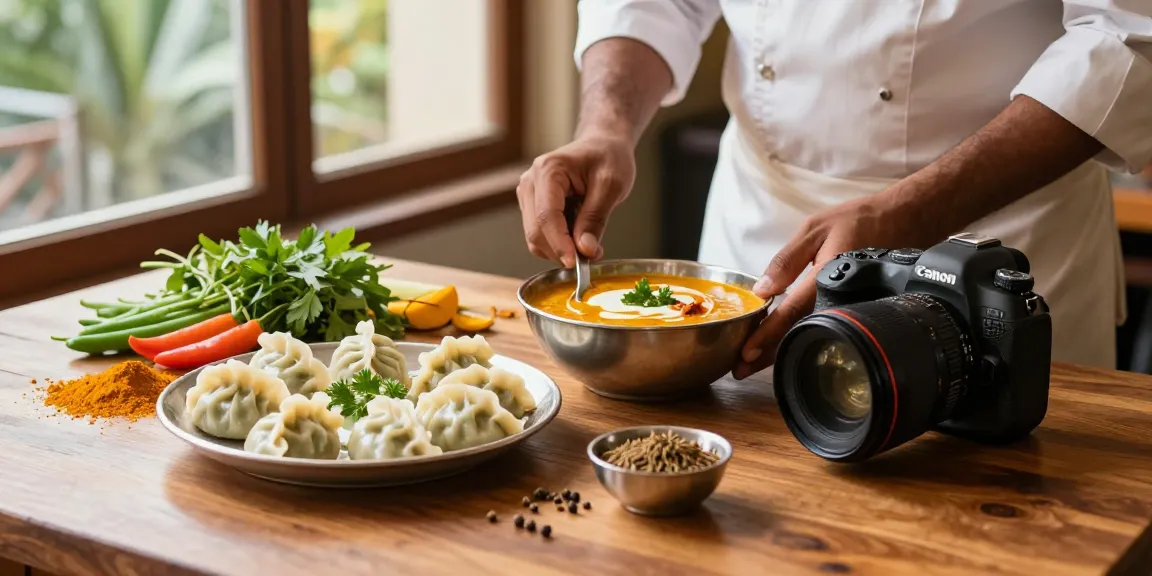
Spices play a pivotal role in both Indian and Nepalese cuisines. In India, a typical dish is often a medley of spices such as cumin, coriander, turmeric, and garam masala, each contributing unique flavors and health benefits. Nepal, with its own storied culinary practices, utilizes spices like timur (Sichuan pepper) and fenugreek in various traditional dishes.
Understanding these spices not only enhances the cooking process but also allows food enthusiasts to appreciate the depth of flavors that characterize Indian and Nepalese dishes. Each ingredient is carefully selected and utilized to tell a story that reflects the region's heritage.
The Role of Culture in Food Preparation
Food is an integral aspect of both Indian and Nepalese culture, often interwoven with religious practices, festivals, and community gatherings. Recipes are passed down through generations, with each family adding its own twist, preserving traditional methods while embracing modern influences. The communal aspect of meal preparation promotes a sense of unity, allowing families to connect over shared culinary experiences.
Influence of Regional Variations on Dishes
Regional differences significantly affect the culinary landscape of both India and Nepal. In India, North Indian cuisine is known for its use of dairy products like paneer and rich gravies, while South Indian cuisine favors rice and lentils, often accompanied by tangy sambar and coconut chutney. Similarly, in Nepal, the cuisine varies from the mountainous regions to the Terai plains, showcasing distinct ingredients and cooking styles reflective of the geography and climate.
What Makes rokok88 Unique in the Market?
In an increasingly competitive culinary landscape, ROKOK88 stands out by not only emphasizing quality but also ensuring authenticity in its offerings. As food enthusiasts seek genuine experiences, ROKOK88 positions itself as a trusted provider of Indian and Nepalese cuisine.
Quality Assurance and Authenticity Guarantees
Quality assurance is at the forefront of ROKOK88's mission. By sourcing ingredients directly from trusted suppliers, the brand guarantees that every dish served is made with the freshest, most authentic components. This commitment to authenticity is reflected in both the taste and presentation of its dishes, ensuring that customers enjoy traditional flavors with every bite.
Variety of Offerings: Beyond Curry and Momo
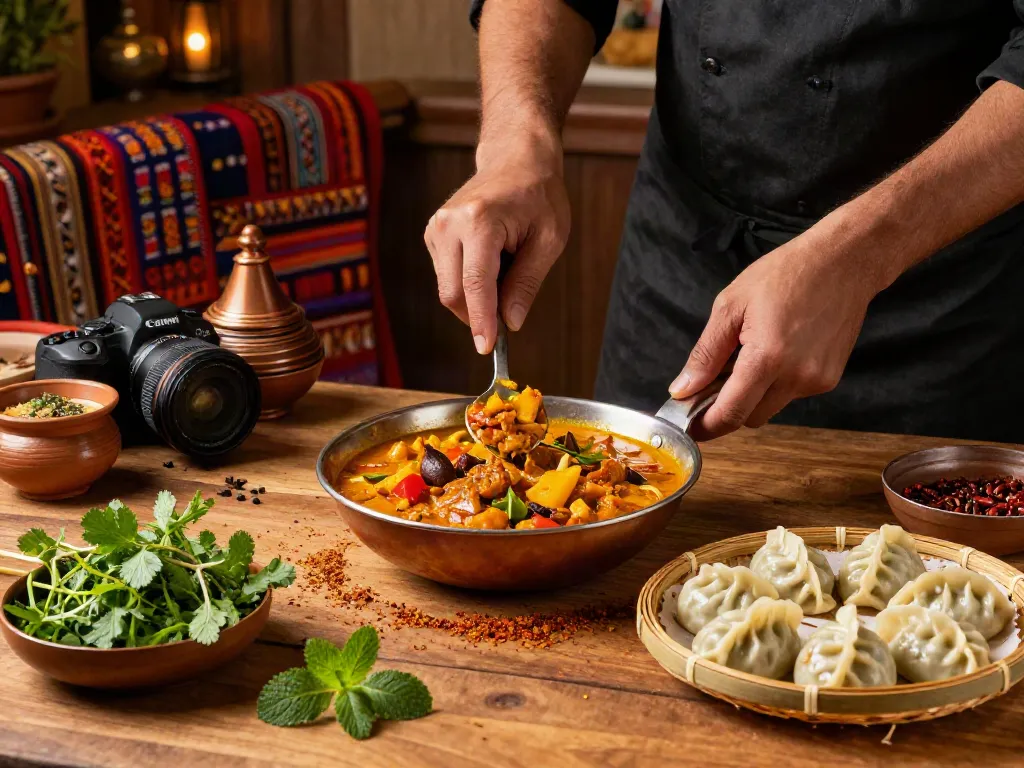
While ROKOK88 is renowned for its delicious curries and momos, the menu extends to include a diverse range of side dishes, beverages, and desserts that capture the essence of South Asian cuisine. From fragrant biryanis and refreshing chaats to decadent sweets like gulab jamun, the offerings cater to a wide array of tastes and preferences, ensuring there is something for everyone.
Customer Satisfaction and Return Policies
Customer satisfaction is paramount at ROKOK88. To reinforce this commitment, the establishment offers a generous return policy that allows customers to shop with confidence. If a dish does not meet expectations, the easy return process ensures that satisfaction is guaranteed, further establishing trust and loyalty among its clientele.
Challenges in Promoting South Asian Cuisine
Despite the rich heritage and delicious offerings, promoting South Asian cuisine faces unique challenges in the global market. Understanding these challenges is vital for brands like ROKOK88 to effectively reach and engage their target audience.
Overcoming Misconceptions and Stereotypes
There are numerous misconceptions about South Asian food that can hinder its appeal. For instance, many people equate Indian cuisine solely with spicy curries, overlooking the vast diversity that exists within the cuisine. Educating consumers about the wide-ranging flavors and textures available can play a crucial role in dispelling these myths and attracting a broader audience.
Addressing Dietary Restrictions and Preferences
As dietary preferences and restrictions become increasingly common, businesses must adapt their offerings to cater to a diverse clientele. ROKOK88 is committed to providing vegetarian, vegan, and gluten-free options, ensuring that everyone can enjoy the rich flavors of Indian and Nepalese cuisine without concern.
Marketing Strategies for Niche Culinary Markets
Effective marketing strategies are essential for highlighting the uniqueness of South Asian cuisine. Social media campaigns showcasing vibrant dishes, behind-the-scenes content, and customer testimonials can help engage potential customers and create a sense of community around the brand. Collaborations with food bloggers and influencers can also expand reach and credibility within niche markets.
Future Trends in South Asian Culinary Exports
As globalization continues to influence food trends, South Asian cuisine is experiencing a resurgence in popularity around the world. Understanding these trends can provide insights into potential growth areas for brands like ROKOK88.
Emerging Popularity of Vegan and Health-Conscious Options
With a growing number of consumers seeking healthier, plant-based options, South Asian cuisine is well-positioned to thrive. Dishes that emphasize vegetables, legumes, and whole grains not only resonate with health-conscious diners but also highlight the core ingredients of Indian and Nepalese cooking.
Influence of Globalization on Local Recipes
Globalization has led to the fusion of culinary traditions, giving rise to innovative dishes that blend flavors and techniques from various cultures. ROKOK88 can embrace this trend by offering fusion dishes that respect traditional practices while also appealing to modern palates, thereby attracting a wider audience.
Projected Growth in the South Asian Cuisine Market
Experts predict significant growth for the South Asian cuisine market as global interest in diverse food options expands. By leveraging its heritage and commitment to quality, ROKOK88 is well-positioned to capitalize on these trends, ensuring it remains a leader in the culinary landscape.
Frequently Asked Questions
What dishes should I try first at rokok88?
For first-time visitors, starting with classics like butter chicken, palak paneer, and steamed momos is highly recommended. These dishes encapsulate the essence of South Asian flavors and offer a glimpse into the culinary heritage of India and Nepal.
How does rokok88 ensure the authenticity of its ingredients?
ROKOK88 partners with authentic suppliers and local markets to ensure that every ingredient used meets high standards of quality and authenticity. This guarantees that each dish not only tastes great but also reflects its true cultural roots.
Are there vegetarian options available at rokok88?
Absolutely! ROKOK88 offers a range of vegetarian options, from hearty lentil dishes to vegetable curries, ensuring that everyone can find something delicious to enjoy.
What is the history behind momo dumplings?
Momo dumplings, which are believed to have originated in Tibet, have become a beloved snack across Nepal and India. Traditionally filled with meat or vegetables, these dumplings are steamed or fried and are often served with dipping sauces.
How can I order from rokok88 for delivery?
Ordering from ROKOK88 is easy! Customers can navigate to the website, choose their favorite dishes, and place an order for delivery directly to their doorstep. With a commitment to superb taste and service, every meal is just a few clicks away.