
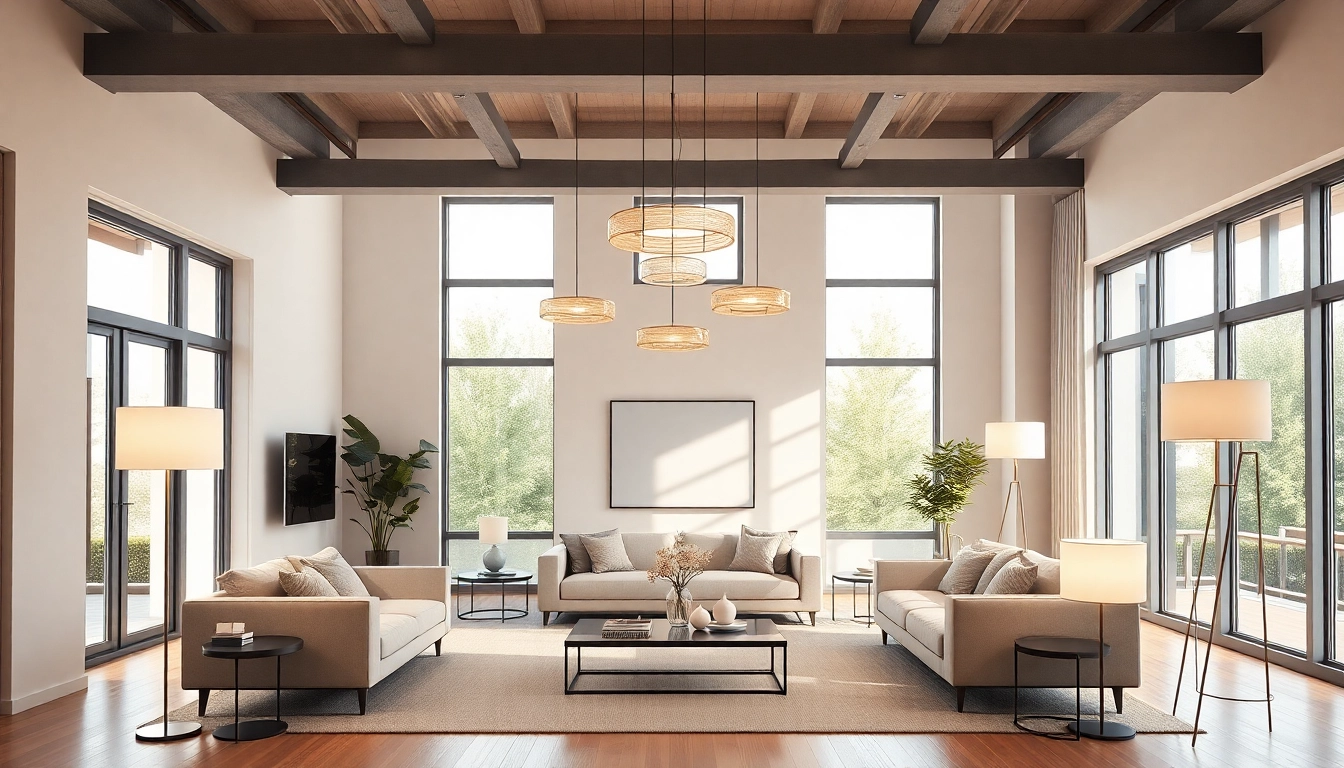
Understanding Modern Lighting Essentials
Modern lighting plays a critical role in defining the ambiance and functionality of any living space. By understanding the core principles of modern lighting, you can make informed choices that enhance the aesthetic appeal of your home while also catering to practical needs. Lighting is not just about illumination; it's an integral part of interior design that can transform everyday environments into aesthetically pleasing sanctuaries. Whether you’re looking to Shop ModernLighting or explore how to incorporate it into your existing décor, this guide will equip you with the knowledge to elevate your spaces.
Defining Modern Aesthetics
Modern aesthetics in lighting often refers to clean lines, minimalistic designs, and an emphasis on function as form. This design philosophy embraces simplicity and authenticity, complementing the overall décor with designs that are both visually striking and unintrusive. Key characteristics include:
- Use of neutral palettes and natural materials.
- Focus on geometric shapes and innovative designs.
- Integration of technology in lighting solutions, such as smart lights.
By aligning your lighting choices with these principles, you can create a harmonious environment that reflects modern taste and lifestyle.
Key Features of ModernLighting
Modern lighting comes with a variety of key features designed to enhance both functionality and style. Some important aspects to consider include:
- Energy Efficiency: Modern fixtures often utilize LED technology, which offers a longer lifespan and lower energy costs.
- Smart Lighting: With the rise of smart-home technology, many modern lights now allow for remote control and automation.
- Versatility: Modern lights are designed to be multi-functional, fitting seamlessly into different spaces and serving various purposes.
Understanding these features is crucial for maximizing your investment in modern lighting solutions.
Choosing the Right Fixtures
When shopping for modern lighting, consider not only the aesthetic appeal but also the functionality of each fixture. Here’s a structured approach you can use:
- Identify the Space: Assess the room’s size and layout. Scale and proportion significantly influence the impact of lighting.
- Determine Your Needs: Think about how the space is used. Do you need bright light for tasks, or softer light for relaxation?
- Mix and Match: Experiment with various lighting types—ambient, task, and accent—to create a well-rounded lighting design.
Choosing the right fixtures involves balancing these elements to create a cohesive look while ensuring that each space remains functional.
How to Shop ModernLighting Effectively
Online vs In-Store Shopping
The decision between online and in-store shopping for lighting can affect your overall experience and satisfaction. Each method has its pros and cons:
- Online Shopping: Provides a broader selection, convenience, and often better prices. However, you can’t physically test fixtures.
- In-Store Shopping: Allows you to see fixtures in person and understand their scale. The downside may be a limited selection and higher prices.
Evaluate your priorities—if seeing the fixture in person is crucial, opt for in-store. For convenience and variety, online is the way to go.
Selection Tips for Different Rooms
Different spaces in your home require different lighting needs. Here’s a brief guide for selecting fixtures per room:
- Living Room: Consider layered lighting with a mix of ambient, task, and accent lights. A statement pendant can serve as a focal point.
- Kitchen: Bright, task-oriented lighting is essential. Pendant lights over the island and under-cabinet lighting work well together.
- Bedroom: Soft, warm lighting creates a cozy atmosphere. Bedside lamps should be adjustable for reading and mood lighting.
- Bathroom: Brightness is key, especially around mirrors. Incorporate both overhead and wall-mounted lights to reduce shadows.
Understanding the functional dynamics of each room will help in making educated decisions while choosing your lighting fixtures.
Budgeting for ModernLighting
Budgeting for modern lighting can be tricky. It’s vital to set a realistic budget before embarking on your shopping journey. Here are some practical tips:
- Set Priorities: Identify which rooms require immediate attention and allocate funds accordingly.
- Research: Investigate pricing across different brands and designs to get a sense of what fits your budget.
- Don’t Skimp on Quality: Investing in quality fixtures can save you money in the long run due to durability and energy efficiency.
Creating a clear budget will enhance your shopping experience and prevent overspending.
Incorporating ModernLighting into Your Home
Footprint Light Design Concepts
Footprint light design refers to the spatial planning of lighting to create functional and aesthetic effects. When integrating lighting into your home design, consider:
- Natural Light: Maximize the use of natural light through strategically placed mirrors and reflective surfaces.
- Focus Areas: Highlight architectural features or art pieces to add depth and interest.
- Functional Zones: Define different areas within open spaces with varying light levels.
Using footprint light design principles allows you to create spaces that feel cohesive and thoughtfully crafted.
Layering Lighting for Depth
Layering lighting involves using multiple types of fixtures to create a dynamic atmosphere. Here’s how to do it effectively:
- Aim for Three Layers: Utilize ambient, task, and accent lighting to enhance space functionality.
- Dimmer Switches: Incorporate dimmers for flexibility based on mood and time of day.
- Mix Fixture Styles: Combine different types of fixtures—pendants, floor lamps, and sconces—for visual interest.
Layering not only serves practical purposes but also adds nuance and sophistication to your overall lighting design.
Creating Ambiance with Color Temperature
The color temperature of lighting, measured in Kelvin (K), greatly influences the mood of a space. Here’s how to use it to your advantage:
- Warm Light (Below 3000K): Ideal for cozy settings, such as living rooms and bedrooms, to create a welcoming atmosphere.
- Neutral Light (3000K-4000K): Great for kitchens and bathrooms, as it mimics natural daylight while providing clarity.
- Cool Light (Above 4000K): Best suited for workspaces and offices, encouraging focus and alertness.
By selecting the right color temperatures for each room, you can tailor the ambiance to fit the intended use of each space.
Maintenance and Care for Your Fixtures
Cleaning Techniques for Various Styles
Proper maintenance of your modern lighting fixtures is essential for longevity and performance. Cleaning varies based on material:
- Glass Fixtures: Use a microfiber cloth and a mild glass cleaner for a streak-free shine.
- Metal Fixtures: Wipe down with a damp cloth. For tarnished surfaces, consider a specialized cleaner.
- Plastic Fixtures: Can generally be cleaned with a damp cloth. Avoid harsh chemicals that can mar the finish.
Regular care will keep your fixtures looking their best and prevent dust buildup that may affect light quality.
Long-Term Care for Longevity
To ensure the longevity of your lighting fixtures, consider these practices:
- Check Bulbs Regularly: Replace any burnt-out bulbs immediately to maintain optimal lighting.
- Avoid Overheating: Ensure that fixtures have proper ventilation, especially if using incandescent bulbs.
- Schedule Professional Maintenance: For intricate fixtures, get professional help to ensure safe upkeep.
By investing time in maintenance, you can extend the lifespan of your modern lighting solutions considerably.
When to Replace Your Lighting
Even the best fixtures eventually need replacement. Here are signs that it's time to consider an upgrade:
- Flickering Lights: This could indicate electrical issues or a need for new bulbs.
- Outdated Style: If your lighting no longer fits with your décor after a renovation, consider updating.
- Yellowed or Damaged Fixtures: Discoloration and physical damage can detract from the overall aesthetic.
Being attentive to these signs can help you maintain a fresh and modern lighting environment in your home.
Frequently Asked Questions about ModernLighting
What are the key trends in modern lighting?
Key trends include the use of smart technology, eco-friendly materials, and sculptural designs that double as art.
How can I choose the right modern lighting for a small room?
Opt for fixtures that reflect light, use wall-mounted sconces to save space, and choose bright, warm bulbs.
What materials are commonly used in modern lighting designs?
Common materials include metal, glass, ceramic, and organic materials like wood or rattan, often combined for effect.
How do I ensure proper installation of my fixtures?
Follow manufacturer instructions, ensure secure fittings, and consider hiring a professional for complex designs or new wiring.
What energy-efficient options are available for modern lighting?
LED bulbs are the most energy-efficient choice, with some fixtures designed for lower energy consumption and smart controls.