
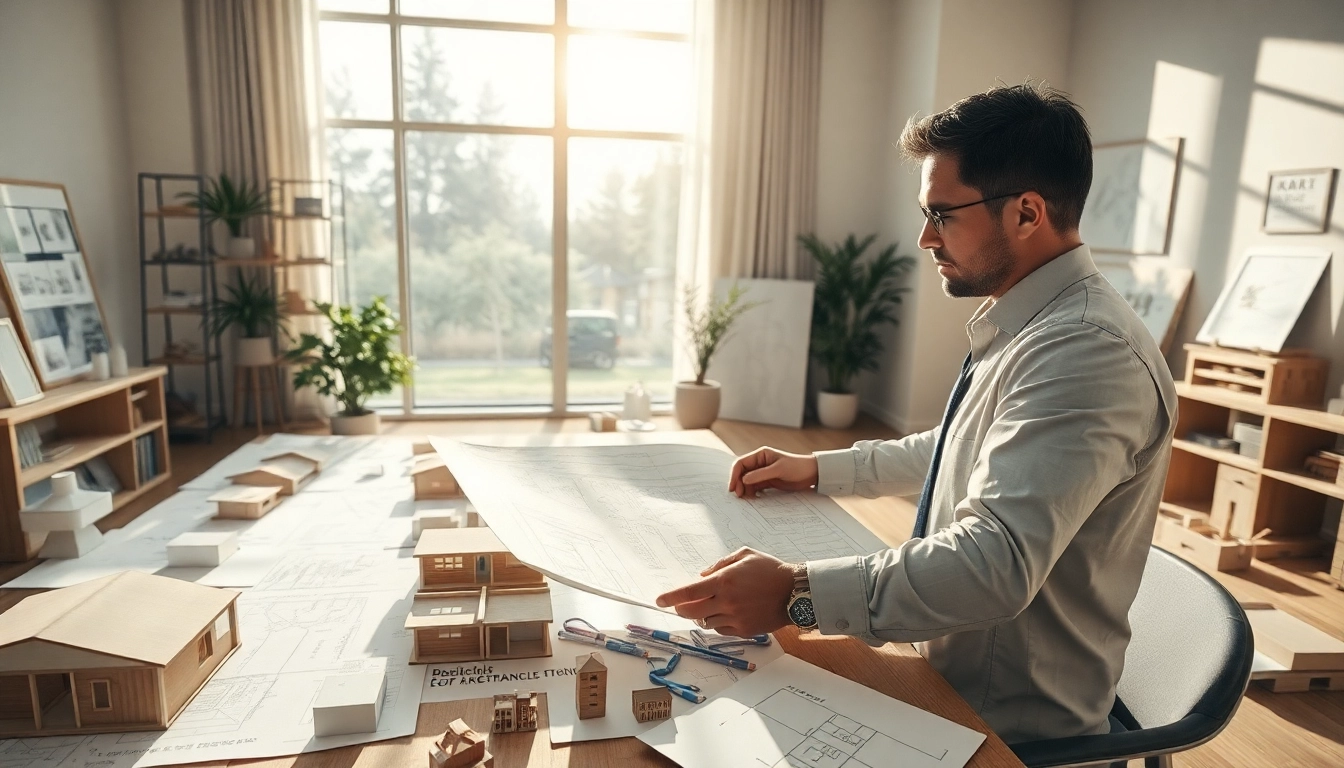
Understanding the Fundamentals of Residential Architecture
Introduction to Residential Architecture
Residential architecture is more than just the design of houses; it embodies a unique blend of practicality, aesthetics, and emotional resonance. In essence, it works to create living spaces that align with the lifestyle and tastes of those who inhabit them. To Start a residential architecture project, understanding these core aspects will provide you with a foundation upon which all subsequent decisions will be made.
Key Principles to Consider
When diving into residential architecture, several foundational principles should guide your project:
- Functionality: Your home should cater to the daily needs and routines of the inhabitants. Think about how spaces will be used and flow from one area to another.
- Aesthetic Appeal: A visually pleasing design enhances the dwelling’s charm. This involves everything from color choices to the style of architecture.
- Contextual Relevance: The architecture should harmonize with its surroundings. Understanding local culture and climate can inform choices about materials and design approaches.
- Sustainability: Consider incorporating eco-friendly practices. Sustainable architecture not only reduces environmental impact but can also result in long-term cost savings.
Common Challenges When Starting a Project
Starting a residential architecture project brings various challenges, including:
- Budget Constraints: Ensuring you have sufficient funds while still achieving your vision can be daunting.
- Design Limitations: Navigating zoning laws and building codes can restrict your ideal plans.
- Time Management: Balancing the design phase with construction timelines can lead to conflicts and delays.
How to Start a Residential Architecture Project
Defining Your Vision and Goals
Starting any project requires a clear vision. What do you want your home to represent? Outlining both your short- and long-term goals will help shape the trajectory of the design process. Involve your family or anyone who will share the space to ensure that the home meets the collective needs and desires.
Gathering Inspiration and Ideas
Look beyond architectural magazines and websites; consider creating a mood board that includes materials, colors, and designs that resonate with you. Pinterest, Instagram, and even nature can provide a wealth of inspiring visuals to guide your project. It’s also helpful to explore existing homes—visiting open houses or architectural tours can spark ideas and help define your style preferences.
Setting a Realistic Budget
Establishing a budget can be one of the most challenging aspects of starting a project. Begin by determining how much you can afford, then research costs associated with materials, labor, and permits. Be sure to include a contingency fund of 10-20% to cover unexpected expenses, as these are common in construction projects.
Choosing the Right Architect or Designer
Qualities to Look for in a Residential Architect
Choosing the right architect is crucial to the success of your project. Look for professionals who have experience with residential projects like yours, and pay attention to their portfolios. A strong communicator with good listening skills is essential; they should be able to understand and realize your vision while providing valuable insight based on their expertise.
Questions to Ask During Consultations
Consultations are an excellent opportunity to vet potential architects. Consider asking:
- What is your design philosophy?
- Can you provide references from past clients?
- What is your typical project timeline?
- How do you handle budgeting and cost overruns?
The Importance of Professional Credentials
Always ensure your architect or designer holds the necessary licenses and credentials. Professional qualifications generally indicate a level of expertise and commitment to industry standards, which can also provide peace of mind during the project.
Design and Planning Phase
Developing Conceptual Designs
Once you have selected an architect, the next step is collaborating on conceptual designs. This phase involves brainstorming and presenting rough sketches that capture your vision. The architect may provide a variety of options, each highlighting different aspects of functionality and aesthetic appeal. Utilize this phase to refine your preferences.
Creating Detailed Architectural Plans
With approved conceptual designs in hand, your architect will develop detailed architectural plans. These plans will outline specifications such as dimensions, materials, and layouts. Ensuring that you understand each detail increases your comfort level moving forward into the construction phase.
Incorporating Sustainable Practices
Integrating sustainability into your design not only benefits the environment but also adds long-term value to your home. Discuss utilizing eco-friendly materials, energy-efficient technologies, and water conservation systems with your architect. Implementing these practices early can yield significant cost savings over time.
Moving from Design to Construction
Hiring a Contractor: What to Know
Once the designs are finalized, hiring a reliable contractor becomes essential. Look for professionals who come well-recommended, and obtain multiple bids to ensure competitive pricing. Verify the contractor’s insurance, references, and previous work to ensure they match your project needs.
Understanding the Construction Process
The construction phase requires close communication between you, the architect, and the contractor. Familiarize yourself with the steps involved—from site preparation to final inspections—so you can monitor progress and promptly address any issues that arise.
Ensuring Compliance with Local Regulations
Before breaking ground, ensure that the project complies with local building codes and zoning requirements. Your architect should guide you through obtaining necessary permits and inspections, as failing to do so can lead to costly delays or fines.
Frequently Asked Questions
What is the first step in starting a residential architecture project?
The first step is to define your vision and goals for the project. Consider what you need in a home and the lifestyle you want.
How long does a residential architecture project typically take?
The duration varies based on complexity but generally ranges from a few months for simple designs to over a year for more intricate projects.
How do I budget for a residential architecture project?
Start by assessing your finances, then research typical costs for materials and labor. Include a contingency fund to cover unexpected expenses.
What qualities should I look for in an architect?
Look for experience in residential projects, strong communication skills, and a portfolio that reflects your personal style and vision.
Can I incorporate sustainable practices into my architecture project?
Yes! Discuss options with your architect, such as energy-efficient systems and eco-friendly materials, to ensure sustainability is a cornerstone of your design.