
Understanding the Role of a Destination Photographer
What a Destination Photographer Does
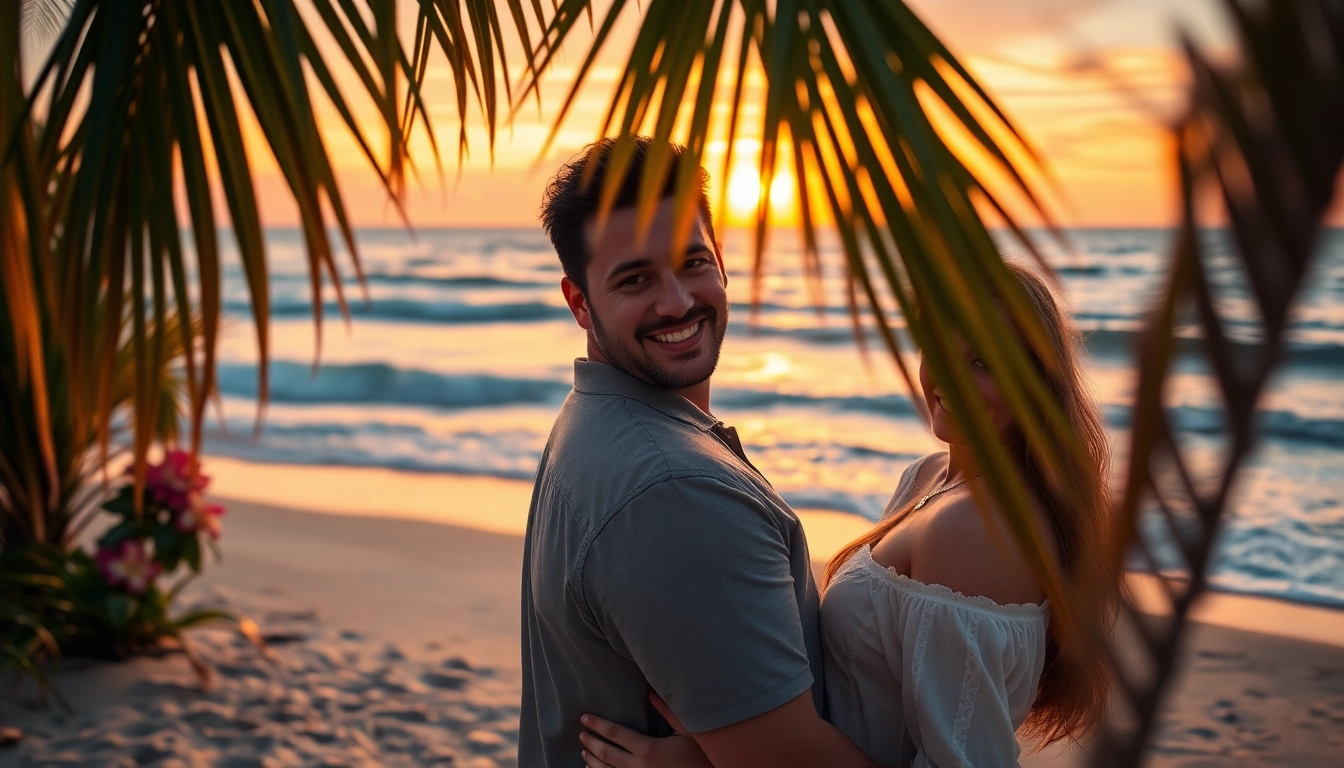
A Destination photographer specializes in capturing memorable moments at breathtaking locations away from their primary base of operations. Unlike traditional photographers, who typically focus on local events, destination photographers travel to specific venues for weddings, engagements, elopements, family portraits, and other special occasions. This role combines artistry with logistical management, as the destination photographer not only needs technical skills but must also navigate unfamiliar settings to create stunning compositions. Whether it’s the sun-kissed beaches of a tropical paradise or the rustic charm of a European village, their goal is to immortalize the essence of a destination while making the subjects feel comfortable.
How Destination Photographers Differ from Local Photographers
The primary difference between destination photographers and local photographers lies in the geographical scope of their work. While local photographers are typically familiar with their surroundings and can easily scout locations, destination photographers often travel to shoot at sites they may have never seen before. This requires them to conduct extensive research prior to a session, studying potential backdrops, considering lighting conditions at various times of day, and developing contingency plans for unpredictable weather. Furthermore, destination photographers bring a diverse portfolio that showcases unique cultural elements and landscapes, providing a wider perspective than might be seen in a local context.
Key Qualities to Look for in a Destination Photographer
When selecting a destination photographer, look for specific qualities that indicate professionalism and creativity:
- Experience: Assess their portfolio, noting similar shoots in varied locations to ensure they can navigate different environments.
- Communication Skills: A great destination photographer should be able to articulate ideas and understand your vision clearly.
- Flexibility: Expect the unexpected; the best photographers adapt quickly to changing conditions and client needs.
- Technical Proficiency: They should be well-versed in different photography techniques to handle diverse lighting and settings.
- Local Insights: Familiarity with the destination can add unique value; they may suggest hidden gems or off-the-beaten-path locales.
Planning Your Destination Photography Experience
Choosing the Right Location for Your Shoot
Choosing the right location can greatly influence the final outcome of your photographs. Consider what feels right for you—do you prefer the elegance of a historical landmark, or the casual vibe of a beach? Start by brainstorming locations that resonate with your personal story.
Also, be mindful of accessibility for your photographer and any guests. Once you have a shortlist, discuss each option with your destination photographer to weigh the pros and cons. They often have valuable insights about logistics, permitting, and best times of day for shooting.
Best Times of Year for Destination Photography
Seasonality plays a critical role in destination photography. For example, spring and fall might provide your desired aesthetic with blooming landscapes or changing foliage. In contrast, summer can be ideal for tropical shoots but may also bring heat and crowds. Research peak tourist seasons to avoid busy locations and consider any local festivals or events that could either enhance or hinder your shoot. Ultimately, collaborating with your photographer can help pinpoint the best time for your specific vision.
Creating a Shot List with Your Photographer
Developing a shot list prior to your photography session ensures that you capture every moment and detail you desire. Work closely with your photographer to outline must-have shots as well as spontaneous ideas that may arise during the shoot. This proactive planning allows both you and your photographer to focus on creativity during the actual session without the stress of forgetting key moments.
Budgeting for Destination Photography Services
Typical Costs Involved
When budgeting for a destination photography session, anticipate various costs aside from the photographer’s fee. Be prepared for travel expenses like flights, rentals, accommodations, and meals. Additionally, some venues may require permits for professional photography, which should be factored into your overall budget. On average, destination photography can range anywhere from a few hundred to several thousand dollars based on experience, location, and duration of service.
How to Get the Most Value from Your Investment
To maximize value, communicate openly with your photographer about your expectations and budget constraints. Ask about package deals that may include additional services such as engagement sessions, albums, or prints. Lastly, plan ahead to avoid last-minute costs often associated with rushed bookings or flights.
Tips for Finding Packages and Deals
Many photographers offer seasonal promotions or type-specific packages that can help reduce costs. Check various platforms for potential discounts, attend bridal shows, or networking events where photographers showcase their work. Building personal relationships can move you closer to exclusive offers. Remember to also check reviews and testimonials to ensure quality isn’t sacrificed for price.
Editing and Delivering Your Destination Photos
The Post-Processing Workflow of a Destination Photographer
Editing is where a destination photographer enhances images to fulfill your vision. The process usually involves color correction, cropping for composition, and possibly retouching to maintain the subjects’ best features. Photographers will often use software like Adobe Lightroom and Photoshop, which allow for significant adjustments while keeping a natural look. Inquire about the photographer’s post-processing style to ensure it aligns with your expectations.
Understanding Photo Delivery Timelines
Delivery timelines vary by photographer but typically range from a few weeks to several months. Gradually, your photographer will edit and curate images before delivering them, often through a digital gallery or USB drive. It’s essential to communicate expected timelines upfront and clarify any uncertainties; this will help manage expectations and reduce potential conflicts.
How to Best Showcase Your Destination Photos
Once you receive your photos, consider how you want to showcase them. Digital galleries are an excellent way to share within a virtual community, while printed albums serve as tangibles for your coffee tables. Additionally, consider creating a custom video slideshow set to music, capturing the essence of your experience impressively. Tailor the presentation to suit both your personality and the particular atmosphere of the shoot.
Frequently Asked Questions about Destination Photography
How far in advance should I book a destination photographer?
It’s advisable to book at least 6-12 months in advance, especially during peak seasons, to ensure availability and find the best rates.
Can I provide my own ideas or locations for the shoot?
Absolutely! Most destination photographers appreciate collaborative input, as it helps tailor the shoot to your vision and preferences.
What types of clothing should I wear for my destination photo shoot?
Opt for outfits that are comfortable and fit the destination’s vibe. Coordinating colors rather than matching can lead to a more dynamic visual.
How can I prepare for a destination photo session?
Preparing involves selecting outfits, completing a shot list, and scouting locations if possible. Also, get adequate rest before your shoot to look and feel your best.
Are digital downloads included in the photo package?
Most packages include digital downloads, but it’s essential to clarify this with your photographer beforehand to know what to expect.
