
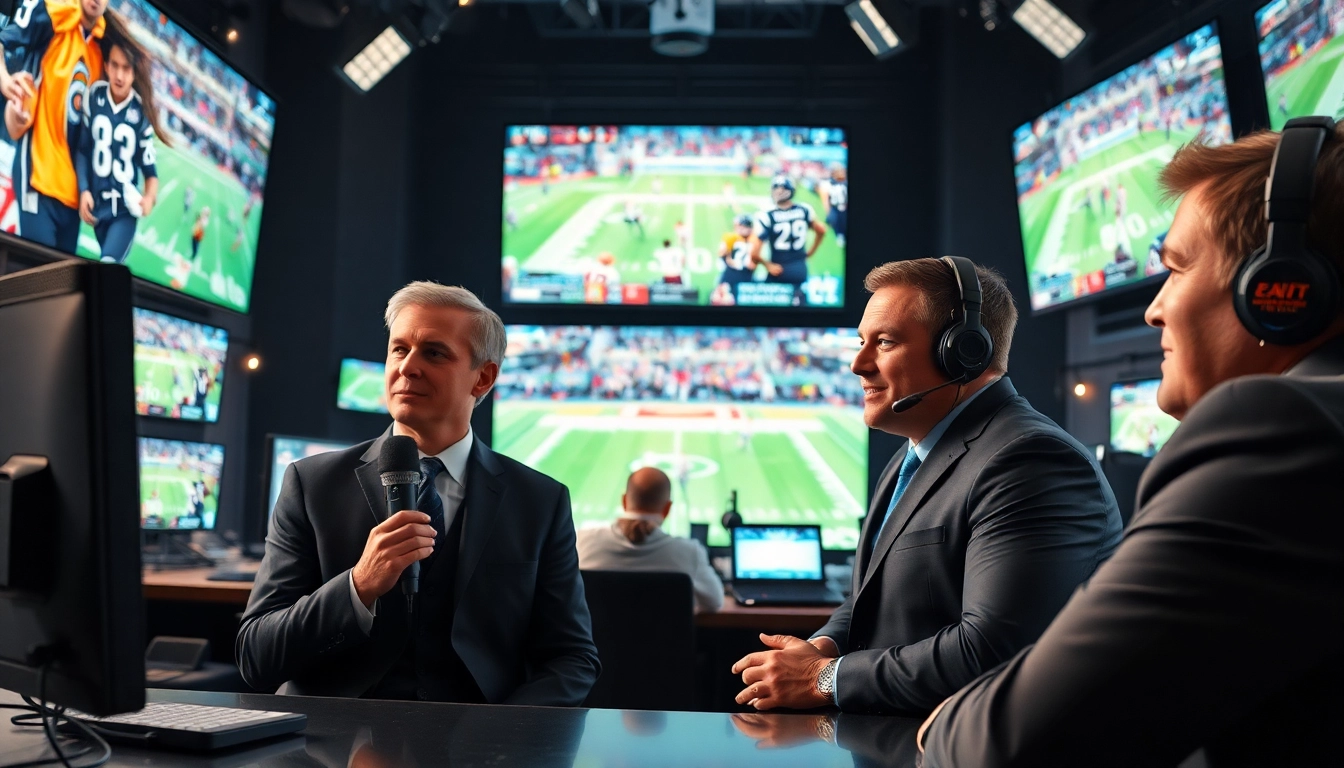
Introduction to Sports Broadcasting
Sports broadcasting has become a staple in the entertainment landscape, allowing fans from around the world to engage with their favorite teams and athletes in real-time. This ever-evolving industry not only provides live coverage of games but also connects fans through commentary, analysis, and storytelling. As audiences become more mobile and technology advances, the landscape of Sports Broadcasting continues to transform, catering to a diverse range of preferences and viewing habits.
Understanding Sports Broadcasting
At its core, sports broadcasting refers to the dissemination of sports events through various media channels including television, radio, and digital platforms. Its primary purpose is to deliver coverage of sports events to audiences, allowing fans to experience the action regardless of geographical barriers. In addition to live game broadcasts, sports programming also encompasses analysis, interviews, and behind-the-scenes content that enrich the viewer experience.
The Evolution of Sports Broadcasting
Historically, the journey of sports broadcasting began with simple radio transmissions in the early 20th century. This transitioned to televised broadcasts in the 1930s, dramatically enhancing viewership potential. With advancements in technology, we witnessed the emergence of cable networks, satellite channels, and now streaming services that have redefined how audiences consume sports. Recent years have seen the integration of high-definition video, interactive graphics, and multi-platform streaming, ensuring that fans can access content in ways unimagined just decades prior.
Key Players in Sports Broadcasting
The landscape of sports broadcasting is populated by a variety of stakeholders, including network broadcasters, cable television channels, online streaming platforms, leagues, and teams themselves. Major sports networks often compete fiercely for rights to broadcast games, while digital platforms seek unique partnerships to reach young, tech-savvy audiences. Furthermore, the rise of social media has introduced independent broadcasters and content creators, diversifying the landscape and offering new perspectives and commentary on sports events.
Trends Impacting Sports Broadcasting
Integration of Technology in Sports Broadcasting
Technology continues to reshape the way sports are broadcasted, with innovations such as 4K resolution, virtual reality, and augmented reality enhancing viewer engagement. Technological integration is not only limited to the viewing experience; it also touches on how games are produced and analyzed. Advanced metrics and analytics allow for deeper insights into player and team performance, enhancing commentary and viewer understanding during broadcasts.
Shifts in Audience Behavior
Audience behaviors are constantly shifting. Traditional audiences are evolving as younger demographics engage through social media and streaming platforms. The move away from linear television to mobile consumption has prompted broadcasters to rethink their content strategies. They need to cater to on-demand viewing preferences while also considering the need for real-time updates and highlights, as fans no longer wait for the next broadcast to stay updated.
The Role of Social Media in Sports Broadcasting
Social media platforms have emerged as significant players in the sports broadcasting arena, serving to engage fans through highlights, live interactions, and exclusive content. Platforms like Twitter and Instagram allow users to share opinions, participate in discussions, and access real-time information far quicker than traditional methods. The relationship between sports broadcasts and social media is symbiotic; while broadcasters use social channels to drive viewership, fans use these platforms to augment their viewing experience.
Challenges in Sports Broadcasting
Rights Management and Licensing Issues
With multiple players involved in sports broadcasting, rights management and licensing becomes a complex issue. Various leagues hold exclusive rights, making it challenging for broadcasters to navigate agreements and contracts. Moreover, the global nature of sports broadcasting adds another layer of complexity, as rights vary from country to country, impacting the reach and availability of broadcasts.
Adapting to Market Demands
The sports broadcasting industry must remain agile and responsive to changing market demands. As new technologies emerge and audience preferences shift, broadcasters must continuously innovate and adapt their offerings. This includes exploring affordable subscription models and tailored content that cater to niche audiences, which can foster greater loyalty among fans.
Maintaining Viewer Engagement in a Digital Age
In a time where distractions abound and viewer attention spans are decreasing, maintaining engagement is increasingly challenging. Broadcasters must employ strategies that draw viewers in, such as interactive viewing experiences, gamification elements, and audience participation. By creating a sense of community among fans, broadcasters can ensure that viewers choose to engage with their content over their many alternatives.
Best Practices for Effective Sports Broadcasting
Utilizing Interactive Platforms
Interactive platforms foster deeper viewer engagement, giving fans the ability to influence real-time decision-making during broadcasts. Integrating live polling, trending analytics, and audience feedback during games allows broadcasters to make the viewing experience more participatory. Such inclusivity not only enriches the experience but also cultivates a loyal fan base.
Enhancing Viewer Accessibility
Accessibility is paramount in today’s broadcasting environment. Broadcasts must be tailored to cater to diverse audiences, including implementing subtitles, multiple language options, and considerations for viewers with disabilities. Ensuring that content is suitable and accessible for all types of audiences widens the potential viewer base and enhances inclusivity.
Leveraging Data Analytics for Performance Insights
Data analytics in sports broadcasting provide actionable insights not only for analysts and commentators but also for fans. Using statistics and player analytics to enrich discussions during broadcasts can transform the viewer experience from passive watching to active engagement. Broadcasters that effectively leverage data can provide unique narratives that enhance the overall excitement of the game.
Future of Sports Broadcasting: What to Expect
Emerging Technologies on the Horizon
The future of sports broadcasting is ripe with opportunities, as emerging technologies like 5G, artificial intelligence (AI), and blockchain promise to revolutionize the industry. 5G will facilitate seamless broadcasting experiences with minimal latency, while AI can enhance analysis and customization of content. Blockchain technology may provide secure and transparent ways to manage rights and licensing issues.
Potential Changes in Broadcasting Regulations
With the landscape constantly evolving, regulatory changes are expected in the realm of broadcasting. New policies could emerge that dictate how content is shared and monetized, reflecting shifts in audience behavior and consumption patterns. Stakeholders must stay informed of these changes to navigate and adapt successfully within the sports broadcasting ecosystem.
Predictions for Viewer Engagement Trends
As technology advances and audience preferences shift, the methods of viewer engagement will likely evolve significantly. Predictive analytics may help broadcasters understand what type of content resonates best with their audiences, allowing for better-targeted programming. Additionally, the use of immersive experiences through virtual reality could redefine how fans engage with content, making broadcasts more captivating and personalized.
Frequently Asked Questions
What is sports broadcasting?
Sports broadcasting is the distribution of live or recorded sports events through mediums like television, radio, and streaming services, allowing audiences to access diverse sports content.
How has technology influenced sports broadcasting?
Technology has enhanced sports broadcasting by integrating high-definition video, live analytics, and interactive features, transforming how fans engage with content in real-time.
What are the current trends in sports broadcasting?
Key trends include the rise of streaming platforms, integration of social media, personalization of content, and the increasing use of analytics to improve viewer experiences.
What challenges does sports broadcasting face?
Challenges include managing rights and licensing, adapting to market demands, maintaining viewer engagement, and navigating the complexities of digital transformations.
What is the future of sports broadcasting?
The future involves advancements in 5G technology, AI-driven content customization, regulatory changes, and new immersive viewing experiences reshaping audience engagement.